
Day 4th
GNW MM FEB UI
The fourth day of the program promises a rich and immersive experience, blending cultural exploration, insightful discussions, and culinary delights in a carefully curated itinerary. Participants will begin the day by gathering at MM UI Department, ensuring that everyone is accounted for before departing for Taman Mini Indonesia Indah (TMII). This iconic cultural park, known for its extensive representation of Indonesia’s diverse heritage, will serve as the backdrop for an exciting day of learning and engagement.
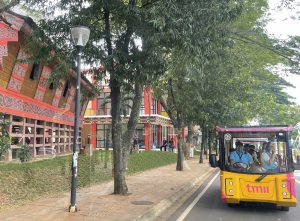
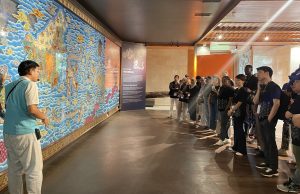
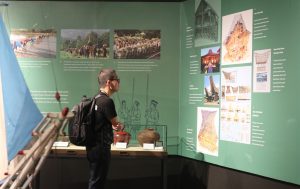
Upon arrival at TMII, the group will start by visiting the Indonesia Museum, where they will be guided through exhibits showcasing the history, traditions, and artifacts that define Indonesia’s rich cultural tapestry. This visit will provide a deeper understanding of the nation’s heritage, offering insights into the different ethnic groups, traditional attire, and historical artifacts that shape Indonesia’s identity. The museum visit will also include time for participants to take photos and document their experiences.
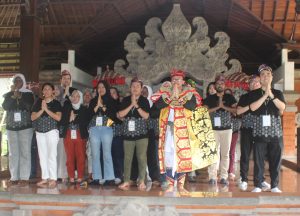
Following the museum tour, participants proceed to a photo session at the Bali and South Sulawesi pavilions. These two pavilions stand out for their intricate architecture and cultural significance. The Bali pavilion, inspired by the island’s traditional temples and royal palaces, offers an elegant and serene setting, while the South Sulawesi pavilion showcases the unique architectural style of the Toraja people, known for their distinctive boat-shaped houses. This session will provide participants with a memorable keepsake of their time at TMII while reinforcing their appreciation for Indonesia’s diverse regional cultures.
After the photo session, the group takes a break for lunch, ensuring everyone is re-energized for the next segment of the program. The meal will be thoughtfully arranged, with organizers preparing a comfortable dining space where participants can relax and enjoy their food. The post-lunch session was a highlight of the day, as participants gathered at Caping Gunung, a scenic and nature-inspired venue within TMII, for an engaging discussion. The session, titled “Green Tourism and Cultural Heritage Sites: Strategies for Preserving Tradition and Reducing Carbon Emissions,” will be led by Febrina Intan, CEO of PT Taman Wisata Candi, with Jonathan Marpaung, Ph.D., serving as the moderator. This discussion delves into sustainable tourism practices, emphasizing the importance of balancing cultural preservation with environmental responsibility. Topics include strategies for reducing the carbon footprint of tourism activities, the role of heritage sites in promoting sustainable travel, and innovative approaches to integrating tradition with modern eco-conscious initiatives. The venue will be arranged to create a conducive environment for discussion, allowing participants to actively engage, ask questions, and gain valuable insights from the expert speakers.
Following the seminar, the group continued exploring TMII through a series of cultural and ecological site visits. This segment takes participants to key locations such as the Papua Pavilion, offering a glimpse into the unique traditions of Indonesia’s easternmost province. These visits provide a hands-on experience of Indonesia’s rich biodiversity and cultural diversity, allowing participants to engage with different aspects of the nation’s heritage in an interactive way.
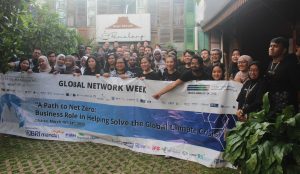
As the day transitions into the evening, participants leave TMII and head to Kopi Klotok in Pamulang, a charming and rustic café known for its traditional Javanese ambiance and homely menu. Nestled in a serene environment, Kopi Klotok offers a warm and welcoming setting for participants to unwind and reflect on the day’s experiences. Here, they gather for iftar (breaking the fast), enjoying a hearty meal featuring classic Indonesian comfort food, such as warm banana fritters, fried rice, and rich Javanese-style coffee. The atmosphere at Kopi Klotok, with its wooden interiors and peaceful surroundings, will provide the perfect conclusion to a day filled with exploration, discussion, and cultural appreciation. After enjoying their time at Kopi Klotok, participants return to MM UI by minibus, ensuring a smooth and comfortable journey back. This final leg of the day will provide an opportunity to rest, share reflections on the day’s activities, and prepare for the next phase of the program.
Seminar Session in TMII
Green Tourism and Cultural Heritage Sites (Strategies for Preserving Tradition, Reducing Carbon Emissions, and Advancing Climate Environment)
Delivered by : Febrina Intan, CEO, PT Taman Wisata Candi
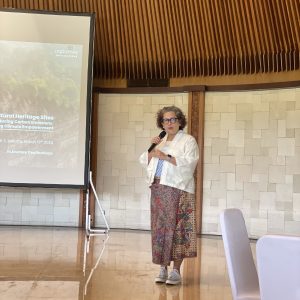
Heritage for the Future: Building Inclusive & Sustainable Destinations
“Stories connect the past, present, and future. What we build today must stand for generations to come.”
With these words, Febrina Intan, CEO of PT Taman Wisata Candi, opened her speech, emphasizing the power of narratives in shaping history. She spoke passionately about how heritage is not just about preserving physical sites but about keeping stories alive—stories that define a culture, inspire learning, and foster a sense of belonging.
Heritage sites like Borobudur, Prambanan, and Ratu Boko are more than just remnants of the past. They are living testaments to Indonesia’s rich history, spiritual depth, and intellectual legacy. As custodians of these sites, PT Taman Wisata Candi is committed to ensuring their preservation while making them inclusive and sustainable destinations. Their approach is guided by four fundamental pillars: creating social and economic impact, promoting education, ensuring conservation, and developing responsible tourism.
Febrina explained that Borobudur and Prambanan are not just national treasures but spiritual destinations of global significance. They attract pilgrims and seekers from all over the world, reinforcing their role as centers for reflection and peace. But beyond spirituality, these sites are also invaluable sources of knowledge, teaching generations about history, architecture, and cultural evolution. To protect these legacies, conservation efforts must be rigorous, ensuring the Outstanding Universal Value (OUV) of these sites remains intact.
Yet, sustainability goes beyond preservation. Tourism, if managed correctly, can uplift communities. Febrina emphasized that profit must not be an end in itself; it must serve the greater good. The revenue generated from these destinations must flow back into society, supporting local economies, empowering communities, and fostering education. This philosophy aligns with the United Nations Sustainable Development Goals (SDGs), particularly in areas such as poverty reduction, quality education, gender equality, economic growth, and environmental sustainability.
In line with this vision, PT Taman Wisata Candi has developed “Astha Loka”, a concept deeply rooted in Sanskrit. “Astha” means eight, and “Loka” means dimensions, representing the different layers of experience that tourism should provide. It is not just about sightseeing—it is about immersing in stories, finding meaning, and achieving peace of mind.
Febrina then introduced STUPA: Sustainable Tourism & Unified Preservation Action, a holistic approach to responsible tourism. The first focus is on water and waste management. With Borobudur and Prambanan handling up to three tons of waste per day, sustainable waste management is crucial. At the same time, water conservation is a growing concern. These sites rely heavily on groundwater, which is not a sustainable long-term solution. Therefore, the team has been identifying alternative water sources to ensure future sustainability.
Another key initiative is sustainable mobility and carbon reduction. The company is gradually transitioning tourism vehicles to eco-friendly options, reducing emissions and minimizing environmental impact. Beyond infrastructure, community engagement is at the heart of these efforts. Conservation is not just the responsibility of corporations or governments—it must involve the people who live around these sites. By actively including local communities in environmental preservation projects, the company ensures that sustainability becomes a shared mission rather than an imposed obligation.
But none of this can be done alone. Collaboration is the foundation of meaningful change. “Whatever we do, we must make an impact,” Febrina stated firmly. “We have to add value—not just for ourselves, but for the people around us.” Heritage conservation, sustainable tourism, and community development are all interconnected. No single entity can achieve these goals alone. Partnerships—between businesses, local communities, policymakers, and global organizations—are essential.
As she concluded her speech, Febrina left the audience with a powerful reminder: heritage is not just about the past; it is about the future. The decisions made today will shape what remains for generations to come. By embracing sustainability, inclusivity, and collaboration, we can ensure that these sacred sites continue to be sources of wisdom, inspiration, and prosperity—not just for today, but for centuries ahead.